
Uncategorized
Steroids vs HGH vs peptides
Oct
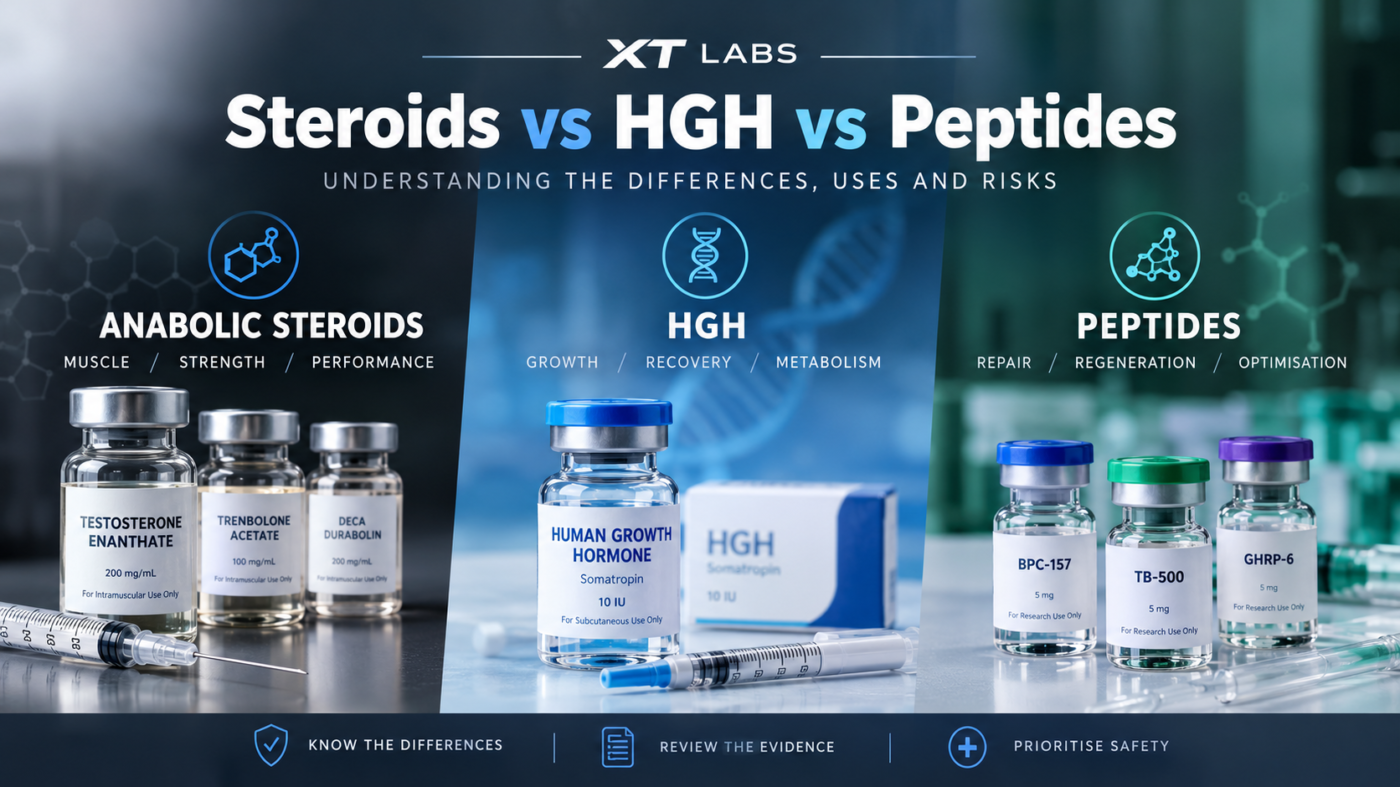
Steroids vs HGH vs Peptides: Understanding the Differences, Uses and Risks
Steroids vs HGH vs Peptides is an important topic for readers researching hormones, bodybuilding compounds, and peptide-based products. Although these categories are often discussed together, they have different biological functions, medical applications, and potential health risks.
In this guide, we compare steroids, human growth hormone (HGH), and peptides, explain their key differences, and highlight the importance of reliable evidence, product documentation, and medical guidance.
What Are Anabolic Steroids?
Anabolic-androgenic steroids are synthetic substances related to testosterone. They interact with androgen receptors and can influence muscle tissue, reproductive function, and other processes throughout the body.
Certain anabolic steroids have legitimate medical uses under appropriate supervision. However, non-medical use for muscle growth or athletic performance can carry significant health risks.
Potential adverse effects include:
- Suppression of the body’s natural testosterone production.
- Changes in cholesterol levels and increased cardiovascular risk.
- Acne, hair loss in susceptible individuals, and other hormonal effects.
- Reduced fertility and changes in reproductive function.
- Liver injury from certain compounds, particularly some oral steroids.
- Mood changes and other psychological effects.
The risks vary according to the substance, exposure, individual health, and other factors. A product’s advertised strength does not establish its safety or suitability.
What Is Human Growth Hormone (HGH)?
Human growth hormone is produced naturally by the pituitary gland. It plays a role in growth, metabolism, and the regulation of body tissues.
Prescription HGH is used for specific diagnosed medical conditions. Its use is different from taking an ordinary sports supplement, and treatment requires appropriate assessment and monitoring.
HGH is sometimes promoted in bodybuilding communities for changes in body composition or recovery. However, promotional claims should not be confused with established clinical evidence.
Potential adverse effects can include:
- Fluid retention and swelling.
- Joint or muscle discomfort.
- Carpal tunnel symptoms.
- Changes in blood glucose regulation.
- Other complications associated with inappropriate use.
HGH is not a general-purpose anti-ageing treatment, and it should not be assumed to improve athletic performance safely in healthy individuals.
What Are Peptides?
Peptides are molecules made up of amino acids. They perform many functions in the body, and their effects depend on their specific structure and biological activity.
The term peptides covers a broad range of substances. Some peptide-based medicines are approved for particular medical conditions, while others are being investigated in scientific research. A compound discussed in research is not automatically an approved or proven treatment.
Some products marketed online as research peptides are promoted for muscle development, fat loss, injury recovery, or hormone regulation. These claims require careful evaluation.
Important considerations include:
- Whether reliable human clinical evidence supports the claimed effect.
- Whether the substance has an authorised medical use.
- Whether its composition and identity can be independently verified.
- Whether its safety, storage, and handling requirements are established.
- Whether its sale and intended use comply with applicable laws.
A peptide’s name or marketing description alone cannot establish its effectiveness, purity, or safety.
Steroids vs HGH vs Peptides: Key Differences
The following table summarises the broad distinctions between these categories.
| Feature | Anabolic steroids | HGH | Peptides |
|---|---|---|---|
| General classification | Androgen-related compounds | Naturally occurring growth hormone and its pharmaceutical forms | Broad group of amino-acid-based molecules |
| Biological activity | Acts on androgen receptors | Acts through growth hormone pathways | Depends on the specific peptide |
| Medical applications | Selected hormone-related and other conditions | Specific growth hormone-related conditions | Varies by substance and approved indication |
| Evidence base | Depends on the specific medicine and intended use | Established for certain medical indications | Varies considerably across compounds |
| Potential risks | Hormonal, cardiovascular, reproductive, liver, and other effects | Metabolic, fluid-retention, joint, and other effects | Varies by substance; may be incompletely characterised |
| Key consideration | Hormonal suppression and systemic risks | Appropriate diagnosis and monitoring | Verify the identity, evidence, and regulatory status of the specific compound |
There is no single category that is universally best. These substances are not interchangeable, and comparing them solely by advertised bodybuilding benefits can overlook important differences in evidence and risk.
How to Evaluate Product Information and Quality
When researching products associated with XT Labs or any other brand, it is important to look beyond promotional descriptions.
Consider the following factors before drawing conclusions about a product.
1. Ingredient and Formulation Details
Review the stated active ingredient, concentration, dosage form, and manufacturer information. Product labels should be supported by reliable documentation wherever possible.
2. Independent Laboratory Evidence
If a seller claims that a product has been laboratory tested, look for a report that identifies the tested material, testing laboratory, batch or sample reference, and analytical methods. The scope of a report matters: a test for identity does not necessarily establish purity or sterility.
3. Authenticity and Traceability
Batch numbers, packaging details, and verification systems may help with traceability, but none independently proves that a product is genuine, uncontaminated, or suitable for human use.
4. Regulatory Status
Check whether the specific substance is authorised for the intended use in your jurisdiction. Products sold as research materials should not automatically be considered suitable for human consumption or treatment.
5. Reliable Medical Information
For prescription hormones and other medicines, consult qualified healthcare professionals and authoritative medical sources rather than relying exclusively on online reviews or marketing claims.
Can These Substances Be Used Without Medical Supervision?
Using anabolic steroids, HGH, or investigational peptides without appropriate medical supervision can expose people to significant and sometimes lasting harm.
Combining substances may introduce additional interactions and make adverse effects more difficult to identify. Blood tests and other monitoring can help clinicians assess particular risks, but monitoring does not eliminate the dangers of inappropriate use.
Avoid relying on generic online protocols, informal dosing advice, or testimonials as substitutes for individual medical assessment. If you are already using a hormone-related substance and experience concerning symptoms, seek advice from a qualified healthcare professional.
Frequently Asked Questions
Are steroids, HGH, and peptides the same thing?
No. Anabolic steroids act primarily through androgen receptors, HGH acts through growth hormone pathways, and peptides are a broad category of molecules with different biological functions. Their effects, medical uses, and risks depend on the specific substance.
Are peptides always safer than anabolic steroids?
No. Safety depends on the individual compound, its quality, the evidence available, and how it is used. Some peptides have established medical uses, while others have limited human safety data or are not approved medicines.
Does HGH guarantee fat loss or faster recovery?
No. Outcomes depend on the medical context and individual circumstances. HGH has recognised medical applications, but claims that it guarantees fat loss, injury recovery, or improved performance in healthy people should be treated cautiously.
How can I verify whether a product has been independently tested?
Look for a credible laboratory report that identifies the sample, batch, methods, and specific tests performed. A general statement that a product is “lab tested” is not enough to establish every aspect of its quality or safety.
Where can I find reliable information about XT Labs products?
Start with the relevant product description and any supporting manufacturer documentation. Check the stated ingredients, applicable regulatory information, and available quality evidence. Do not treat marketing claims or customer reviews as independent proof of efficacy or safety.
Final Thoughts
Anabolic steroids, HGH, and peptides differ in their biological functions, medical applications, and potential risks. Understanding these distinctions helps readers assess claims more critically and recognise why evidence, product documentation, and professional medical guidance matter.
For anyone researching the XT Labs catalogue, a careful approach to product information is more useful than relying on promises of rapid results or guaranteed outcomes. Make decisions based on reliable evidence, transparent documentation, and appropriate medical advice.
