
$28.99
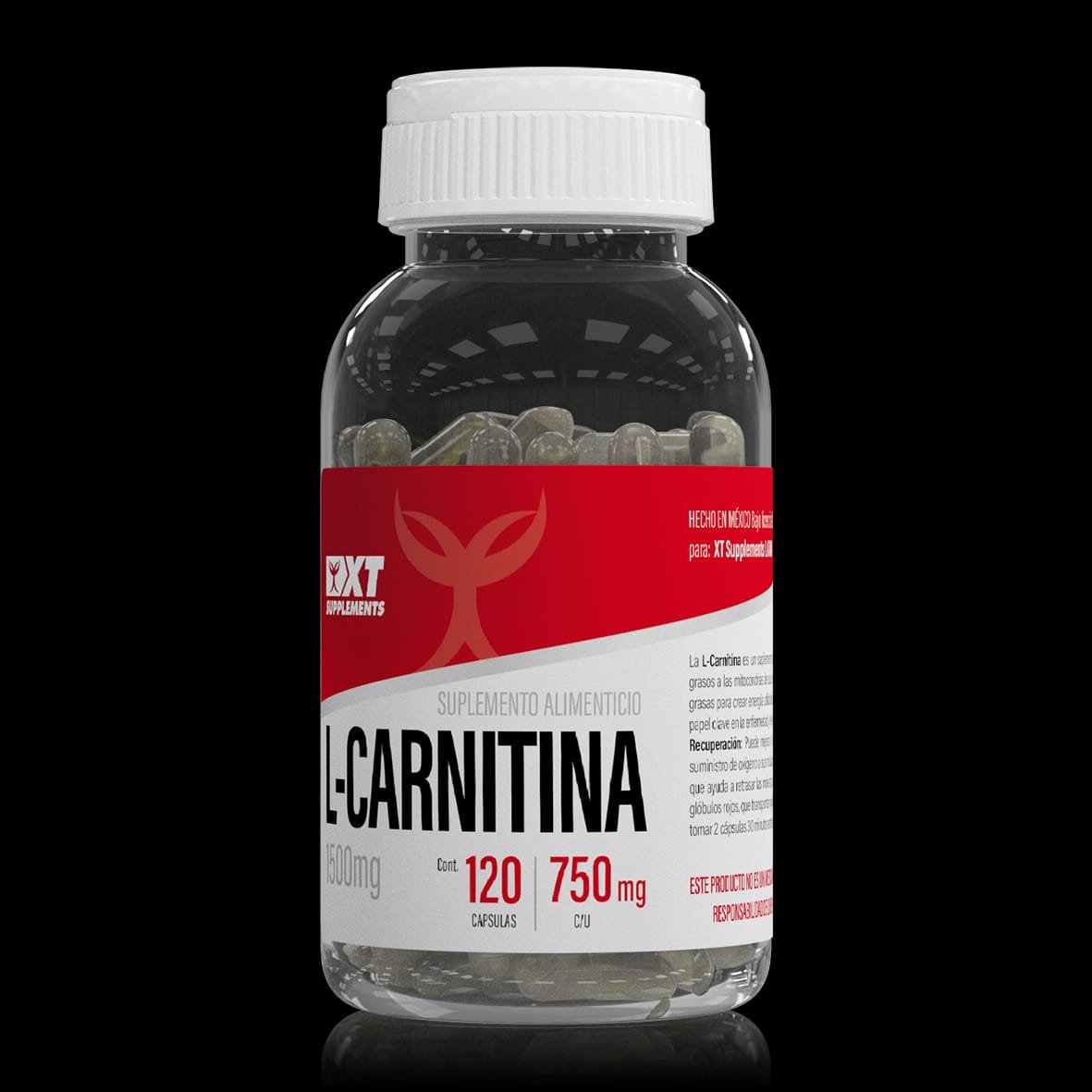
L-CARNITINA
L-CARNITINA is a popular sports nutrition supplement centered on L-carnitine, a naturally occurring compound that plays an important role in cellular energy metabolism. Carnitine helps transport long-chain fatty acids into mitochondria, where they can be used in energy-producing processes. Because of this biological function, L-carnitine has become a widely recognized ingredient among athletes, fitness enthusiasts, and consumers interested in nutrition and active lifestyles.
What Is L-Carnitina?
L-carnitine is synthesized naturally by the human body and can also be obtained through the diet, particularly from animal-derived foods. It is concentrated in skeletal muscle and is involved in the transportation of fatty acids into mitochondria for oxidation. This makes carnitine an important component of normal energy metabolism.
Because of its role in fatty-acid metabolism, L-carnitine is frequently included in nutritional products marketed toward active individuals. L-CARNITINA provides a convenient supplement format for consumers who want to incorporate this well-known nutrient into an established nutrition and exercise routine.
L-Carnitine for Fitness and Active Lifestyles
People involved in bodybuilding, strength training, endurance exercise, running, cycling, and general fitness often pay close attention to nutritional strategies that complement their training. L-CARNITINA is relevant to this audience because carnitine participates directly in the body’s energy metabolism.
However, it is important to maintain realistic expectations. Although L-carnitine has a clear biological role, research does not consistently demonstrate that supplementation automatically improves exercise performance in healthy individuals. Scientific reviews have reported mixed findings, with some studies suggesting potential benefits under particular conditions while others find little or no meaningful improvement.
For this reason, L-carnitine is best considered as one component of an overall nutrition strategy rather than a guaranteed performance enhancer.
L-CARNITINA and Fat Metabolism
One of the most common reasons consumers search for L-CARNITINA is its association with fat metabolism. Carnitine is involved in transporting long-chain fatty acids into mitochondria, where fatty-acid oxidation takes place.
This biological role has contributed to the popularity of L-carnitine in weight-management and fitness markets. Nevertheless, the presence of a role in fat metabolism does not mean that taking L-carnitine automatically causes body-fat loss. Research has not established supplementation as a standalone weight-loss solution, particularly in healthy, well-nourished individuals.
Effective body-composition management remains dependent on factors such as overall calorie intake, dietary quality, physical activity, sleep, and long-term consistency.
Why Choose L-CARNITINA?
L-CARNITINA offers consumers a straightforward way to explore supplementation with a naturally occurring compound involved in energy metabolism. It can appeal to people researching L-carnitine supplements, sports nutrition, workout nutrition, and active-lifestyle products.
When evaluating an L-carnitine supplement, consumers should carefully review the product label for the exact form of carnitine, serving size, amount per serving, additional ingredients, manufacturer information, storage instructions, and applicable warnings.
Different forms of carnitine, including L-carnitine and L-carnitine L-tartrate, have been studied in nutritional research, so checking the specific formulation is important when comparing products.
L-Carnitine and Exercise Recovery
Researchers have also investigated L-carnitine in relation to post-exercise recovery. Some reviews have reported possible effects on markers associated with exercise-related muscle stress and soreness, although results vary and further research is needed to establish the circumstances in which supplementation may be beneficial.
For active individuals, supplementation should complement the fundamentals of recovery: adequate protein and energy intake, hydration, sufficient sleep, and an appropriately structured training program.
Responsible Supplementation
L-CARNITINA should be regarded as a nutritional supplement rather than a medication or treatment for disease. People taking prescription medicines or managing an existing medical condition should consult a qualified healthcare professional before starting a new supplement.
Consumers should also be cautious about exaggerated claims promising rapid fat loss, guaranteed muscle development, or dramatic athletic improvements. The scientific evidence surrounding L-carnitine is more nuanced than many marketing claims suggest.
Discover L-CARNITINA
L-CARNITINA combines a well-known nutritional ingredient with a convenient supplement concept designed for consumers interested in fitness, energy metabolism, and active lifestyles. L-carnitine’s established role in fatty-acid transport makes it an interesting component of sports nutrition, while current research provides a balanced perspective on what supplementation can realistically achieve.
Explore the product label and official specifications to confirm the exact formulation, serving information, ingredients, and recommended usage. For best results, L-CARNITINA should be considered alongside a balanced diet, consistent exercise, adequate hydration, and proper recovery.
Be the first to review “L-CARNITINA”
Related products
Reviews
There are no reviews yet.